2 Rue Ambroise Paré, 75010 Paris

Introducing Zap-X technology

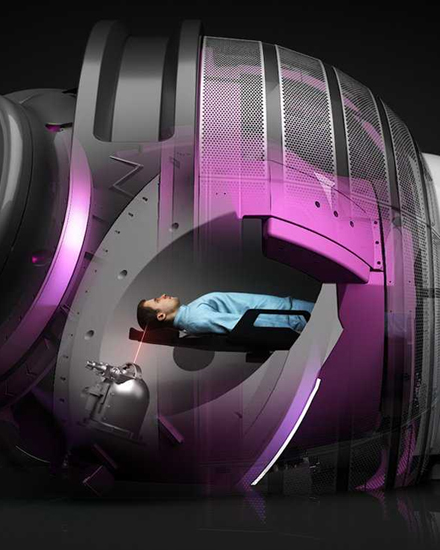
3D representation of the Zap-X machine at Lariboisière Hospital
A major advance technological innovation

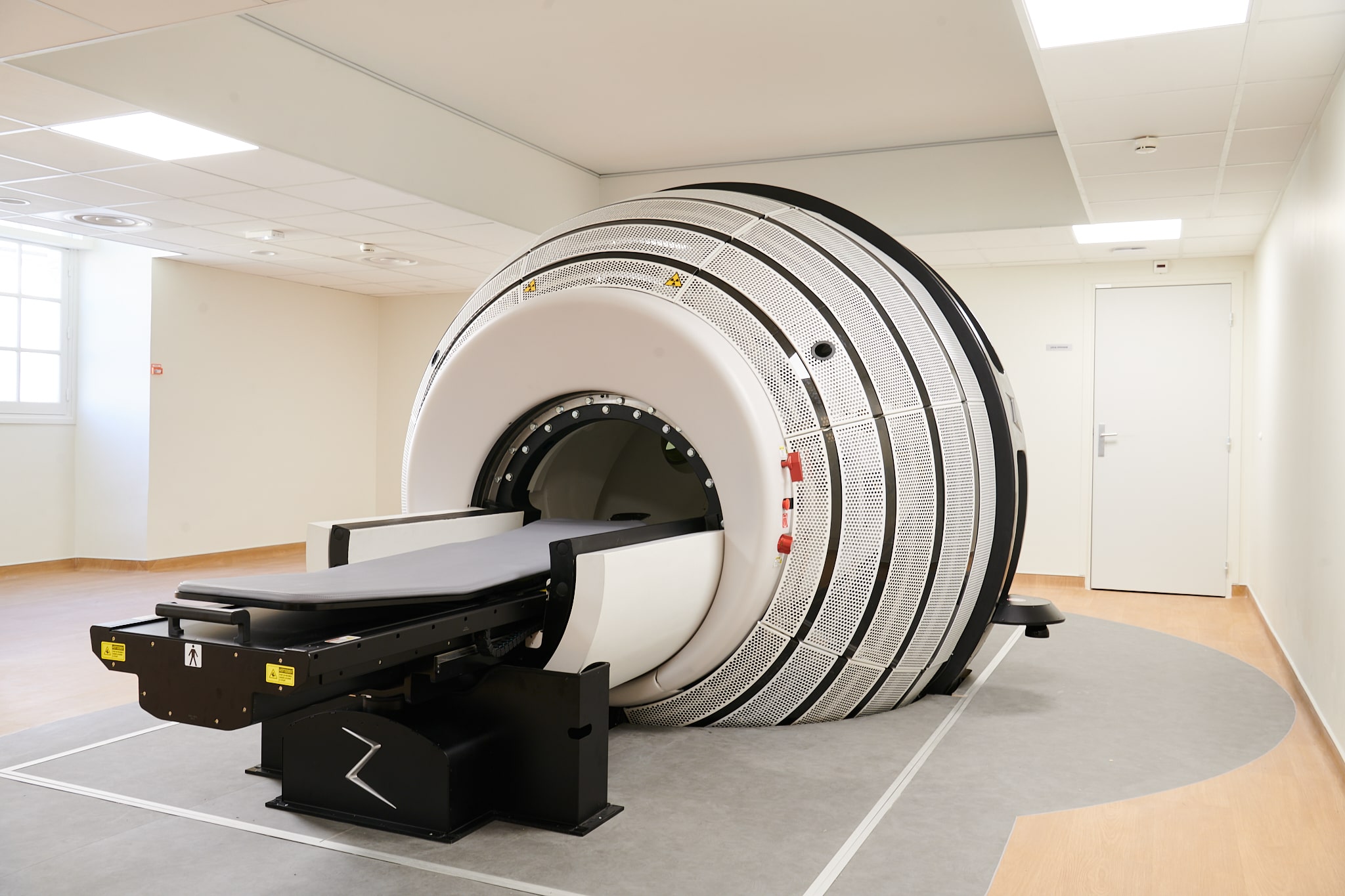
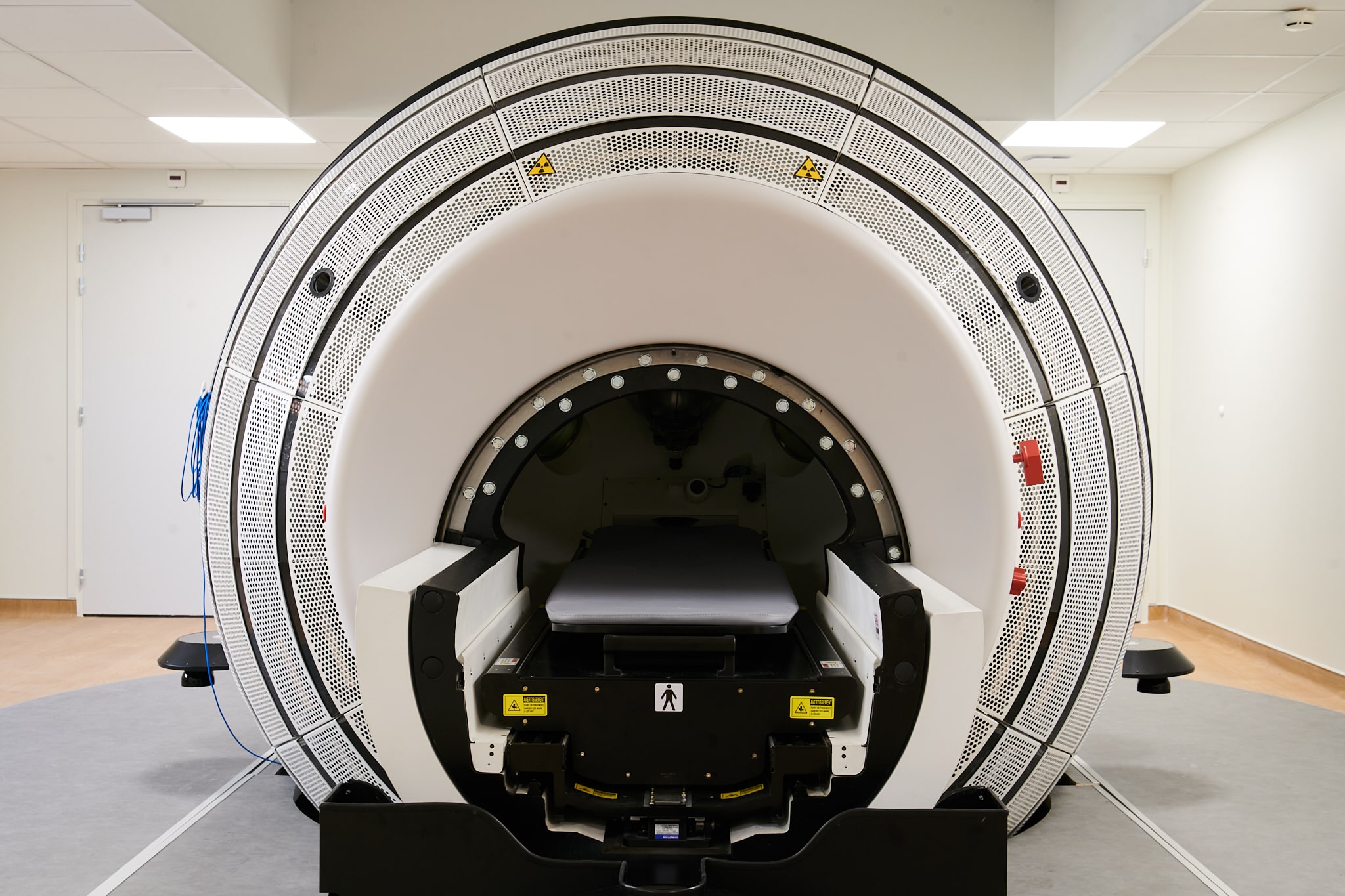
The ZAP-X: a high-precision X-ray scalpel

Lariboisière AP-HP Hospital and ELSAN are joining forces to offer patients state-of-the-art radiosurgery equipment: ZAP-X.

Zap-X radiosurgery logo
AP-HP logo
ELSAN logo

Zap-X at Lariboisière Hospital AP-HP Paris

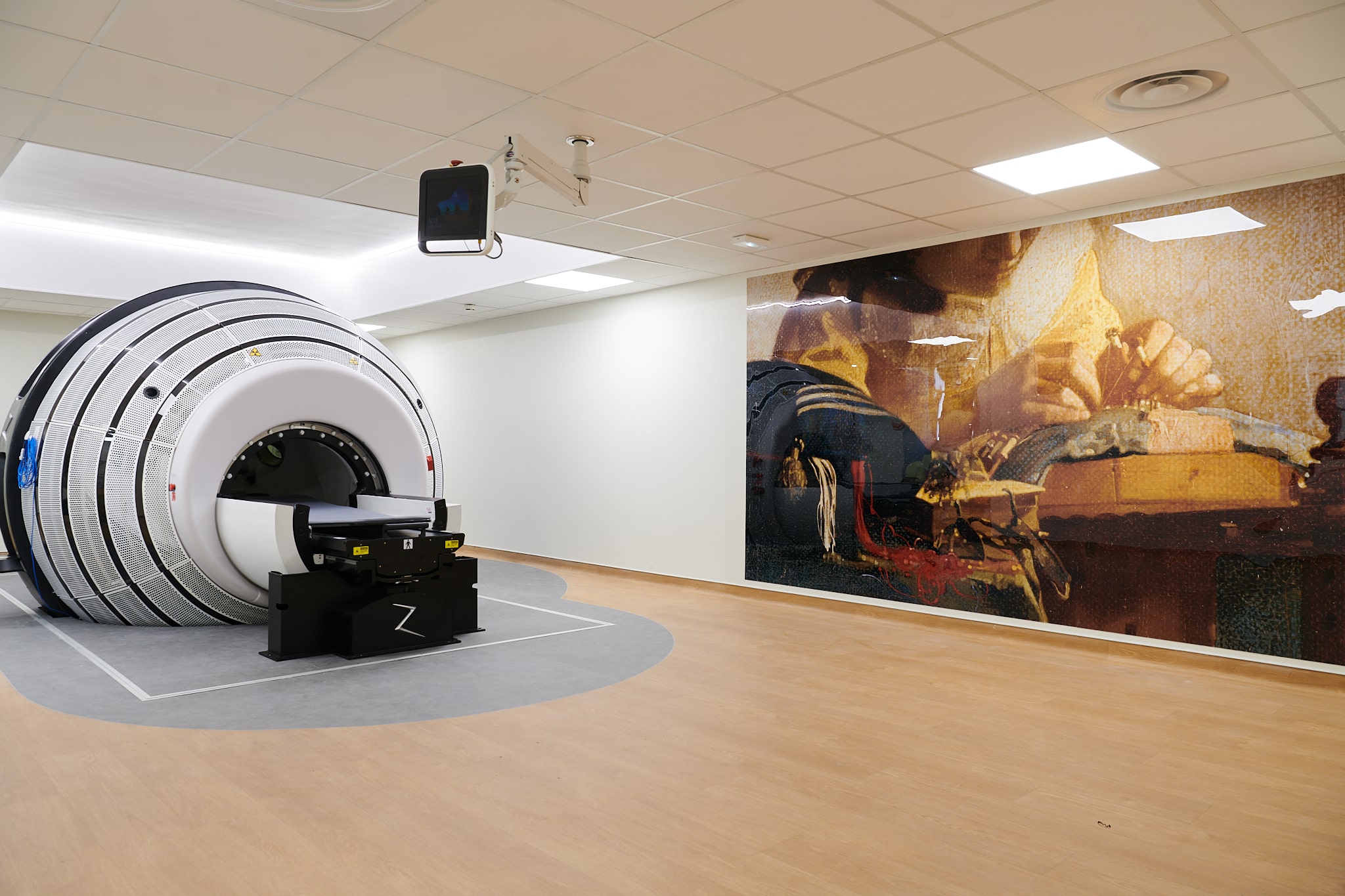
The Lariboisière AP-HP hospital is home to ZAP-X in a listed building in the hospital's west wing, covering an area of 100m2.

Zap-X's contribution to radiosurgery

Equipment with multiple benefits for patients

Less side effects
Thanks to its high precision, ZAP-X minimizes the risk of side-effects on healthy tissues and organs in the vicinity of the lesion being treated.
Optimization of treatment planning
Planning and control systems with ZAP-X® allow better management of the delivered dose, with adjustments.
Fast processing
The ZAP-X® system reduces treatment times compared to traditional techniques, both per session and over the total treatment time.
Comfort
To ensure that the head is correctly positioned at the time of treatment, preparation involves fitting a thermoformed plastic mask, which does not require hospitalization or anesthesia. The entire procedure, from preparation to treatment, is completely painless for the patient. The duration of each session and their limited number, between 1 and 5, make treatment much more comfortable for the patient.


Prof. John Adler

Founder of Zap-X

From CyberKnife® to Zap-X

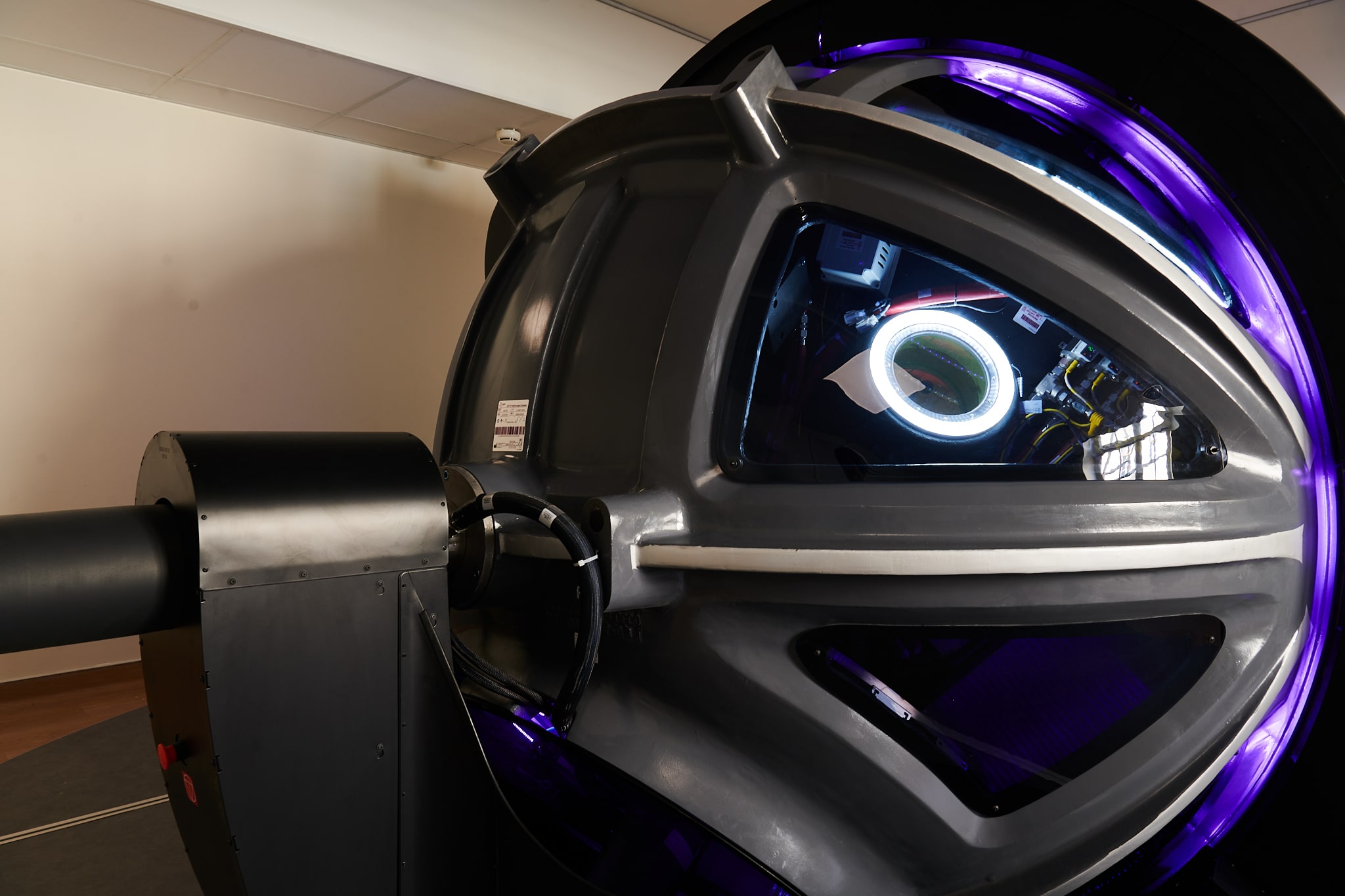
Invented by Professor John Adler, who had already developed the Cyberknife® machine, the ZAP-X uses high-energy X-rays to create 360° beams within the lesion or tumor thanks to its gyroscopic design. It performs precise
3D tracking of the patient’s position using an onboard control imaging system that produces images every
45 seconds. In addition, it features the first real-time monitoring system for the administration of treatment to the patient, reducing the risk of human and mechanical errors with an automatic shutdown in the event of a discrepancy between the planned dosimetry and that during treatment.

In detail

Greater precision

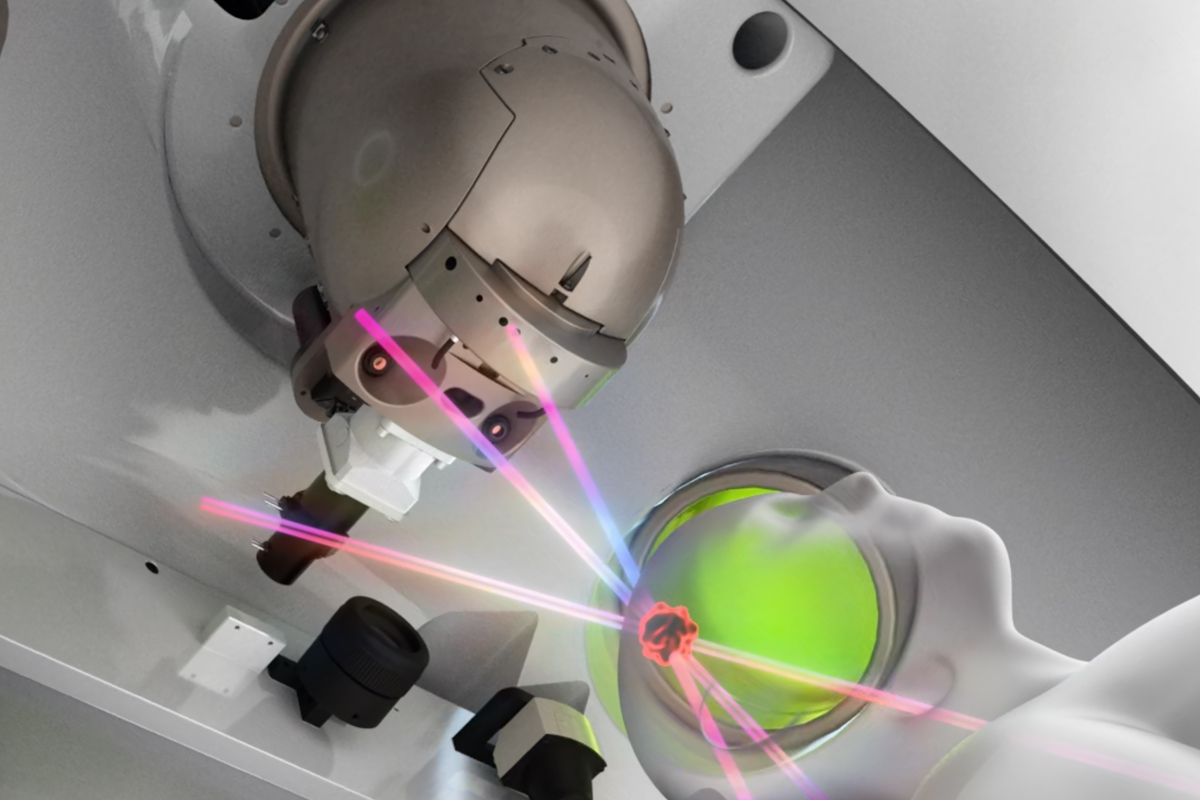
ZAP-X works on the principle of intersecting mini-X-ray beams produced by a miniaturized particle gas pedal, enabling it to target any intracranial lesion or lesion of the cervical spinal cord. The machine’s technical design enables very high doses to be delivered with great precision, while minimizing the risk of damage to surrounding healthy tissue (notably by reducing the radiation scattered around the target). Compared with other irradiation methods, ZAP-X stands out for its ability to deliver rapid treatment, and to treat tumors or other lesions that are difficult to access or difficult to operate on, with acceptable risks.

Representation of the intersection of mini X-ray beams produced by a miniaturized particle accelerator on the Zap-X.

Logo Musée du Louvre Paris

Vermeer and the art of precision

Radiosurgery, an extremely precise discipline, finds an unexpected resonance in the world of art. In partnership with the Musée du Louvre, Johannes Vermeer's iconic painting The Lacemaker becomes an inspiring metaphor for the rigor and meticulousness required in this revolutionary medical advance.
Image

An unprecedented collaboration

Adaptability to different
types of injuries

Functional disorders (certain types of trigeminal neuralgia and facial vascular pain, certain specific forms of epilepsy, or certain types of abnormal movements).
Benign intracranial tumors (mainly meningiomas and schwannomas) or malignant tumors (mainly brain metastases, but also chordomas of the skull base);
Cerebral vascular anomalies (mainly cerebral arteriovenous malformations and cavernomas);

Benefits of Zap-X technology

As it is a non-invasive technology, ZAP-X can avoid surgery in a number of cases, which can be a major advantage for patients who are not candidates for surgery due to the location of the tumor or their general condition.
Radiosurgery may also be offered as a complement to surgery when a fragment of the tumor or lesion has been deliberately left in place due to the neurological risk of surgery.

Overall, as a complement or alternative to surgery, ZAP-X radiosurgery greatly reduces risks.

Thanks to its ability to deliver highly localized and well-targeted doses, ZAP-X can treat tumors located in complex or hard-to-reach anatomical areas, which is not always possible with other radiotherapy methods. This is particularly important for certain areas of vision and hearing that are particularly sensitive to radiation.